
Sophia Sharypov – Mustangs Ahead
(LAKEWOOD RANCH, FL) - While many students celebrate Easter in the spring, Orthodox Easter often falls on a different date, this year it’s on April 12. For many families at Lakewood Ranch, it carries its own deep traditions and meaning.
Orthodox Easter, also known as Pascha, is one of the most important holidays in Eastern Orthodox Christianity. It celebrates the resurrection of Jesus Christ, just like Western Easter, but it is calculated using the Julian calendar instead of the Gregorian calendar. Because of this, Orthodox Easter usually falls later, often in April or May.
The holiday is rooted in centuries of tradition. In many Orthodox cultures, the celebration begins with a period of fasting known as Great Lent, which lasts about 40 days. After that, families attend late-night church services, often starting close to midnight, where candles are lit to symbolize the resurrection.
For Ukrainian Orthodox Christian and LRHS senior Viktoriia Pshenianik, the holiday is both meaningful and personal.
“Easter is completely about family and faith,” she followed that up with, “It’s a time when my family puts everything else on hold and we all go to church and appreciate everything we have. It’s one of the most important traditions in my life and is one of the things we do annually which makes me feel closer to home.”
Stay updated on more LRHS news by following us on Facebook, Instagram @mustangs_ahead, YouTube or follow the Mustangs Ahead Podcast on Spotify
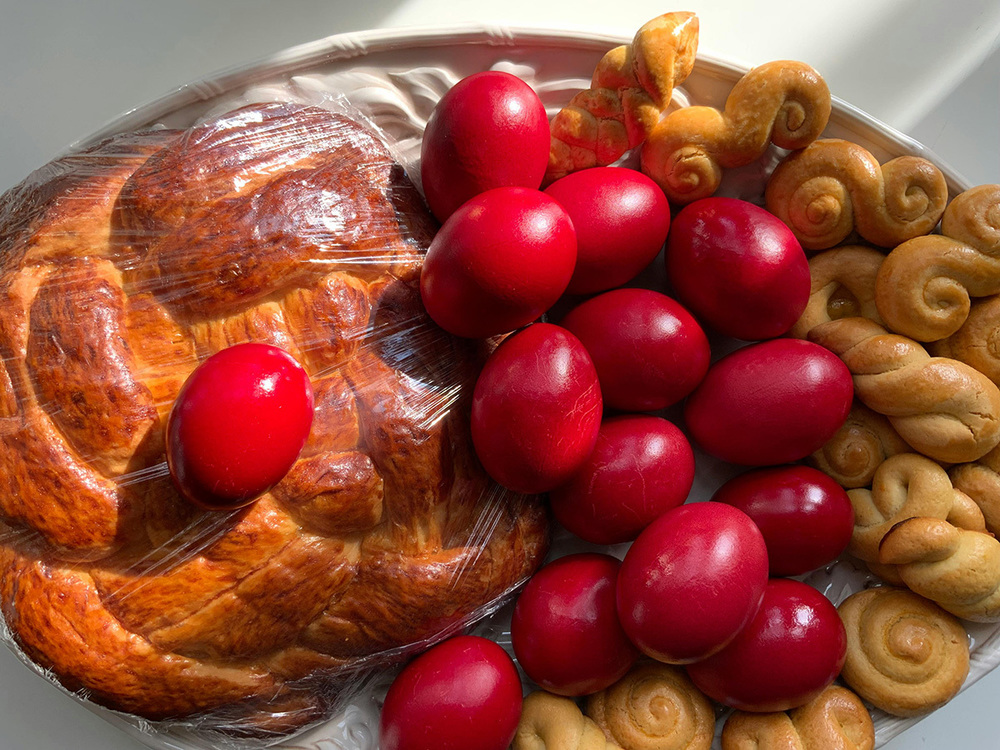
One of the most recognizable traditions is the use of red-dyed eggs, which symbolize new life and the resurrection. Families often crack eggs against each other in a game, with the last unbroken egg said to bring good luck. Food also plays a big role in the celebration, especially after weeks of fasting. Many families prepare traditional dishes, including a sweet, creamy dessert made from ingredients like sour cream, sugar, and sometimes cheese, which is molded into a shape and known as paska.
Even though the date may differ, the message of Orthodox Easter remains the same: renewal, hope, and new beginnings.