
Sydnee Haygood - Mustangs Ahead
(LAKEWOOD RANCH, FL) - September marks the return of fall sports, homecoming planning, and the familiar rhythm of the school year. However, it also marks National Preparedness Month, a nationwide initiative that reminds us of a critical truth - emergencies don't wait for a convenient time to happen.
For high school students, this month is a call to action to move beyond observation and lead families and communities in emergency planning. Disasters—whether natural like hurricanes, floods, and wildfires, or man-made like power grid failures, can strike with little to no warning.
While Lakewood Ranch High School ( LRHS) conducts regular fire and weather drills to keep Mustangs safe during the day.
LRHS School Guardian Tim Liffey said classroom teachers play a key role in preparing a safe classroom, "The role of the teacher is to have the students in the designated safe areas, keep the students quiet and calm. Listen for instruction over the school’s Intercom systems. Students are to keep quiet, stay calm and listen to the teacher’s instructions. "
Stay updated on more LRHS news by following us on Facebook, Instagram @mustangs_ahead, YouTube or follow the Mustangs Ahead Podcast on Spotify
True readiness extends far beyond the classroom, however. The Federal Emergency Management Agency (FEMA) emphasizes that community resilience begins at home, and teenagers are in a unique position to spark that change.
Preparing doesn't require a massive budget or a backyard bunker. It starts with three basic steps that any student can take.
First, build a communication plan. In a severe crisis, cell towers can become overloaded, and local calling may fail. Families should establish an out-of-town contact person who everyone can text to report their safety. Additionally, establishing a designated meeting spot outside the neighborhood is critical if evacuation becomes necessary.
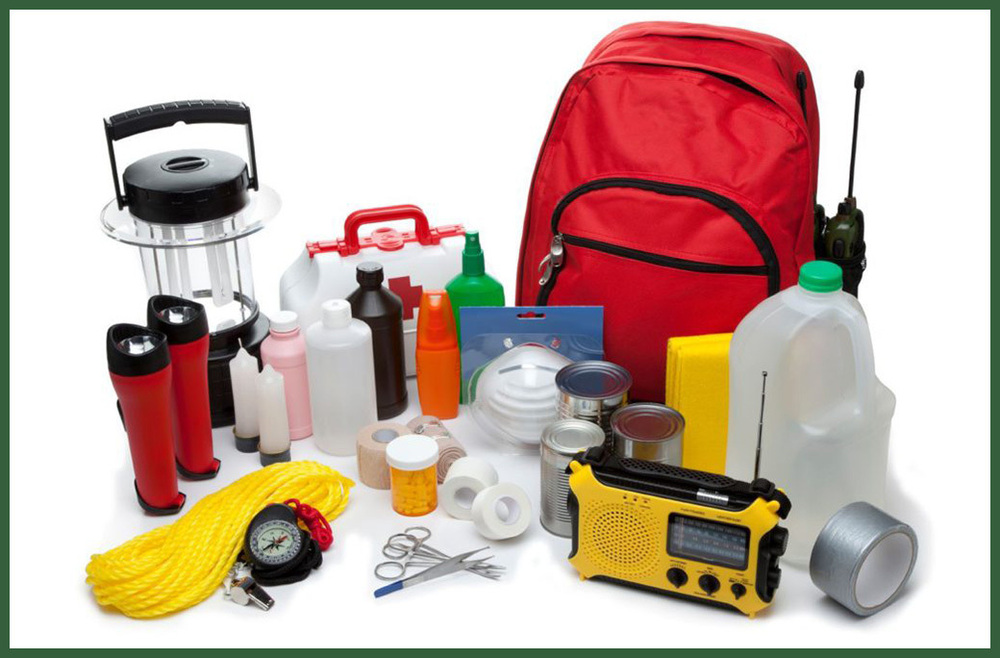
Second, assemble a basic emergency kit. A standard kit should include at least a three-day supply of water (one gallon per person per day) and non-perishable food. Don't forget a battery-powered radio, flashlights, extra phone chargers, a first-aid kit, and essentials for any family pets.
Third, stay informed. Students can download local emergency alert apps onto their phones and ensure that wireless emergency alerts are enabled in their settings. Knowing the difference between a weather "watch" and a "warning" can save critical minutes when conditions worsen.
Beyond our own front doors, high schoolers have the power to strengthen the broader community. We can check in on elderly neighbors to ensure they have assistance, volunteer with local disaster relief organizations, or organize donation drives for emergency supplies.
National Preparedness Month is not about living in fear; it's about building confidence through capability. By taking control of our preparedness today, we ensure that when the unexpected happens, our families and our community will stand strong.